5 min read
The Friend of the Bridegroom
John did not claim to be the Bridegroom, nor even the Bride. He stood beside the door, and listened, and rejoiced — the mystery of the Believer and the Bridegroom.
“The friend of the bridegroom, who stands and hears him, rejoices greatly because of the bridegroom's voice.”
He said it of himself, almost as an aside — “I am the friend of the Bridegroom.” John, the desert-dweller, the one who ate locusts and wild honey and wore camel's hair, did not claim to be the Bridegroom. He did not even claim to be the Bride. He stood beside the door, and listened, and rejoiced.
There is a mystery hidden in scripture that the wise seem to hurry past and the simple are given to see: that there is a Bridegroom, and there is a Bride, and the whole long story of God with His people turns on this one wild, tender image. Not a judge and a prisoner. Not a king and a subject. A Bridegroom, and one who is loved.
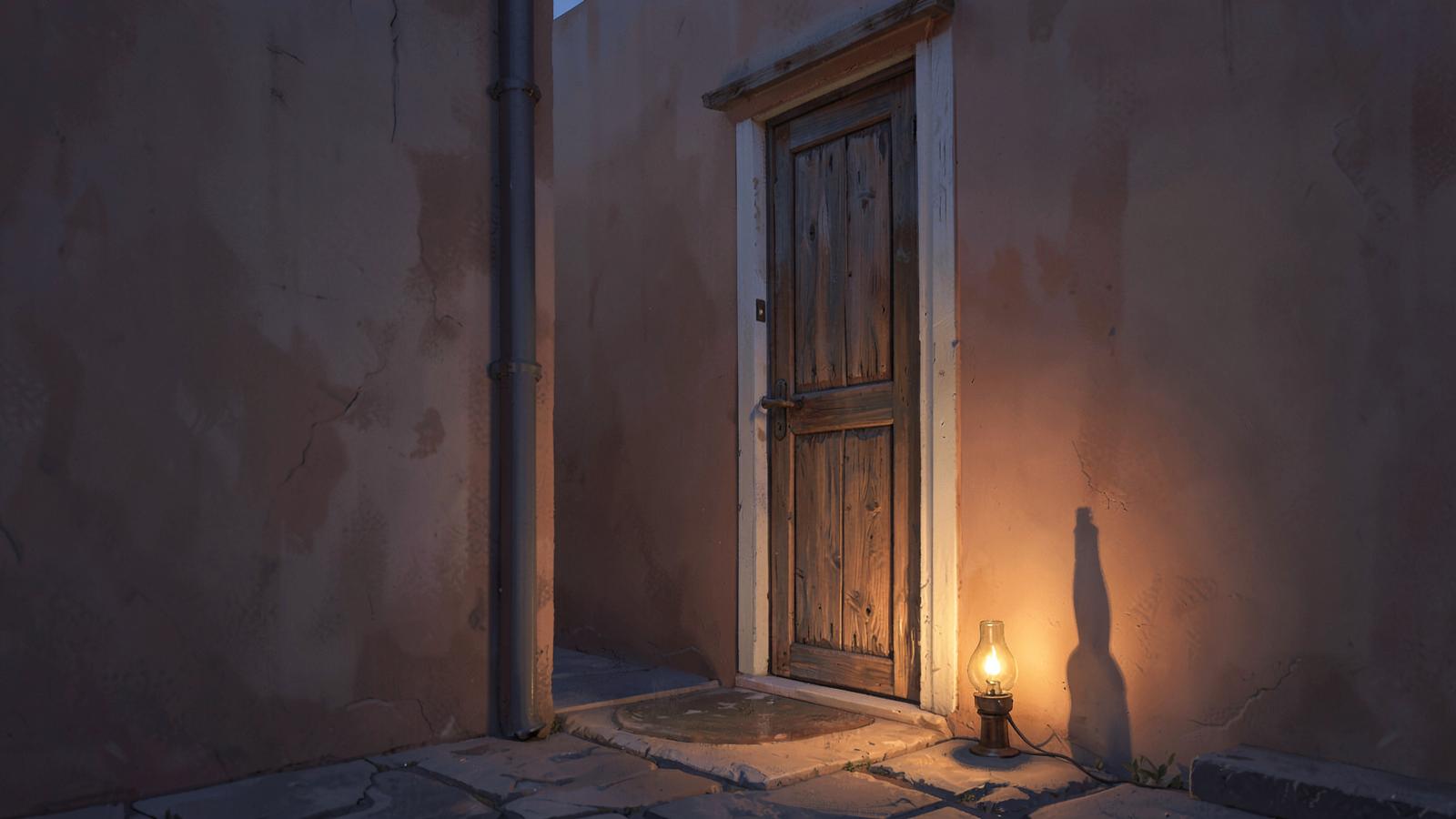
He stands at the door and knocks. That is not the demand of a creditor. It is the patience of a Bridegroom — one who will not force the latch, who will not break the door, but who waits in the dusk with the lamps trimmed, hoping to be let in.
John heard the Bridegroom's voice and was glad. Think of that — glad, simply glad. Not anxious to be seen, not jostling for a place at the table. The friend of the Bridegroom finds his joy in the Bridegroom's nearness, not in his own prominence. When the voice he loved came through the crowd, his heart settled, the way a worried friend's heart settles when the one he has been waiting for finally walks into the room.
But who is the Bride? The scriptures are almost shy about it. Paul says it is a great mystery, and then says it anyway: Christ and the Church (Ephesians 5:32). The Bridegroom has loved a people from before the foundation of the world, and He is making her ready — not by demand, but by love, the slow way love actually changes a person.
He stands at the door and knocks. That is not the demand of a creditor. It is the patience of a Bridegroom.
What if the whole of the believer's life is simply this: learning to be the Bride? Not earning, not performing, not proving — but being made ready, the way a bride is made ready, by the certainty that she is already chosen and already loved.
The ten waited through the night with their lamps. Five had oil enough to last; five let theirs run low, and the door was shut before they could return. The Bridegroom cometh, the cry went up, and the wise were ready — not because they were better, but because they had tended the one small flame they had been given.
And at the very end of the book, there is a wedding. The Spirit and the Bride say, Come. The marriage supper of the Lamb. Every grief the Bride ever carried is set down at the threshold; the door — the same door He once knocked at — is opened from the inside at last, and He comes in, and there is no more night.
John could be no more than the friend — he finished his course before the cross, before the Bride was sealed with the Holy Spirit at Pentecost. We are not the friend. We are the one He comes for. He stands at the door and calls — the voice of the Beloved in the Song, the lover at the door in the dusk: “Open to me, my sister, my love” (Song of Solomon 5:2). And we must answer. If we are to enter that relationship of Beloved and Beloved, we must open the door. Not with proofs, not with worthiness — but with the glad yes of the one who is already chosen. So we learn to say, with the Bride, “My Beloved is mine, and I am His” (Song of Solomon 2:16). It is the same door. It has always been the same door — and Love, who stands calling now, waits on the other side.